Children are particularly vulnerable
Developmental limits such as hazard awareness make children vulnerable in traffic – around 70% of seriously injured children are on foot or on a bike.
Safely on the move
The foundation for active mobility and road safety: VeloKita promotes cycling skills and traffic awareness from daycare onwards – playfully, regularly and in a protected setting.
160
childrenup to the age of 14 are seriously injured or killed in road traffic every year.
70
%of them are on foot or on a bike.
8–10
yearsis how long it takes for hazard awareness to fully develop.
Source: BFU, dossier «Children in road traffic»; BFU accident statistics, data as of 2025.
Background
Developmental limits such as hazard awareness make children vulnerable in traffic – around 70% of seriously injured children are on foot or on a bike.
Since the mid-1990s, only half as many children and young people cycle regularly. In road safety lessons, the Bern cantonal police see more unsure children – in some places almost half a class rides wobbly.
Long before children recognise dangers, they follow the example of parents and daycare staff. Adults should model safe behaviour and practise it deliberately: explain, demonstrate, do it together.
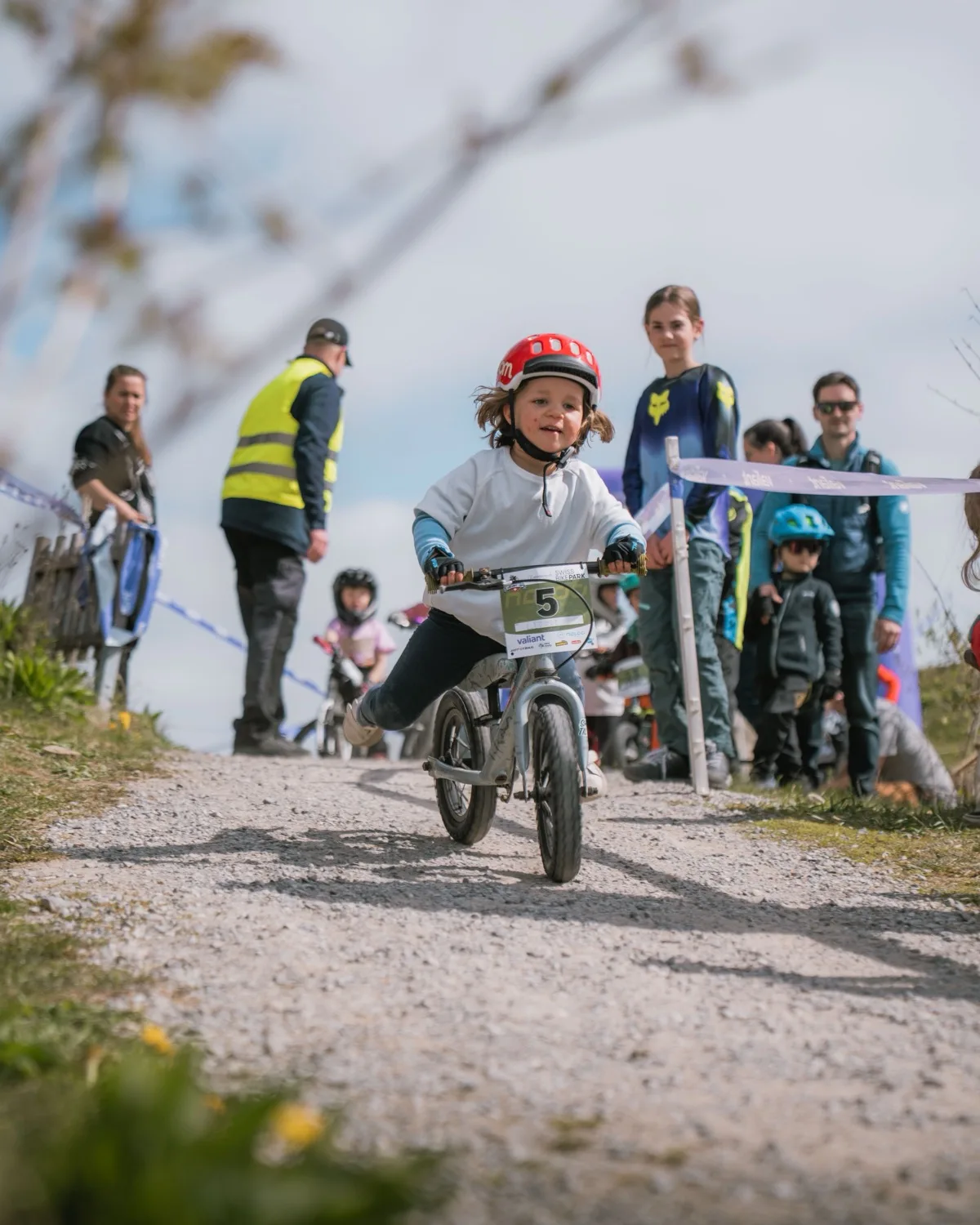
Cycling promotes motor skills and independence. Children who move regularly are more likely to stay active as adults – positive first experiences on a balance bike lay the groundwork.
Sources: BFU, dossier «Children in road traffic» and guide «First steps in road traffic»; Der Bund, 1.9.2026, with data from Urban Mobility Research on behalf of FEDRO; Telama et al. 2014.
Children aged 0 to 3 should have the opportunity to gain basic experiences that support the future acquisition of safety-promoting skills.
Goals
Low-threshold activities and a stimulating, safe environment let pre-school children gain balance bike and cycling experience with joy.
Road safety education is taken up in daily daycare life in an age-appropriate, playful way – for first safe behaviour patterns in a protected setting.
Daycare staff are trained so that they can implement the measures independently with routines, materials and tools.
Parents are made aware of their role as models – for safe behaviour in traffic as well as for active mobility.
The pilot is evaluated and lays the foundation for impact-oriented implementation throughout Switzerland.
Approach
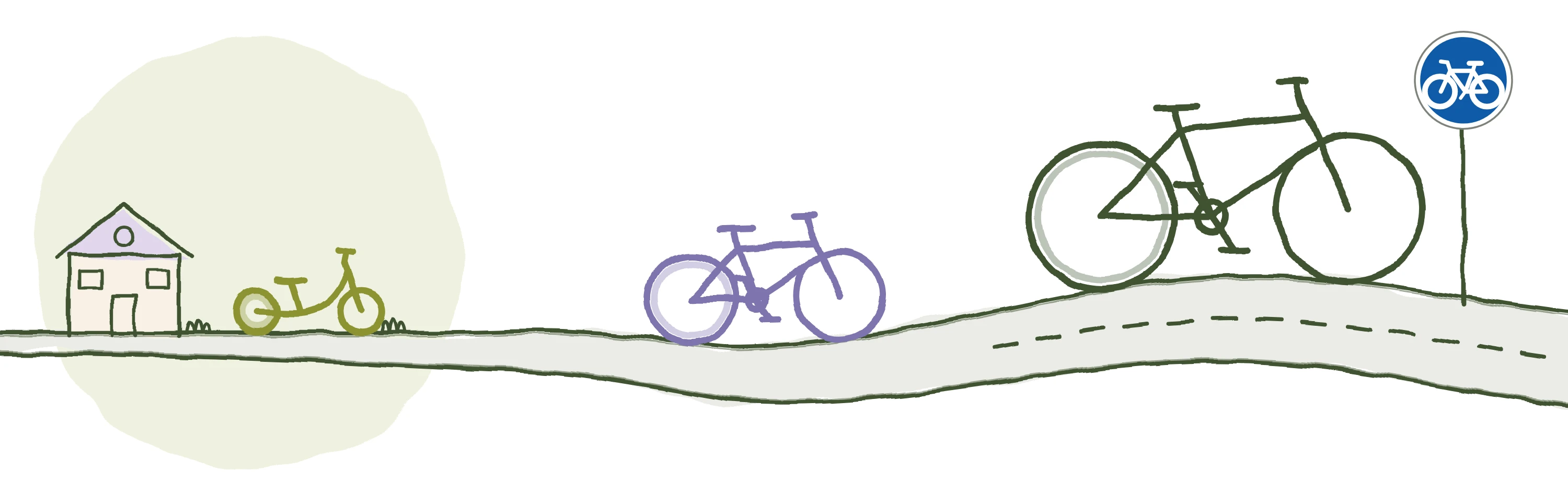
VeloKita is being developed in the FVS Lab of the Road Safety Fund, together with practitioners: first develop, empower and test in daycare – then activate families.
Research, daycare interviews and expert exchange.
2026Develop ideas and test prototypes in daycare centres.
2026 · We are hereActive involvement of parents; pilot in 5–10 daycare centres with evaluation.
2027–2028Nationwide roll-out and anchoring.
from 2028/2029